PROTECTION AGAINST PATHOGENS
UVC & Air Purification Systems For Healthcare Facilities
Improving Indoor Air Quality, Infection Prevention & Healthcare Infrastructure Performance
Why Indoor Air Quality Matters
Indoor Air Quality (IAQ) is rapidly emerging as one of the most critical - and most overlooked dimensions of healthcare infrastructure.
Healthcare-associated infections (HAIs) remain a significant burden on health systems globally. A proportion of these infections are transmitted via the airborne route, circulating through the very ventilation systems designed to support patient safety.
Key Issues Driving The Case For Action
Healthcare- Associated Infections (HAIs) - A leading cause of patient harm and increased length of stay
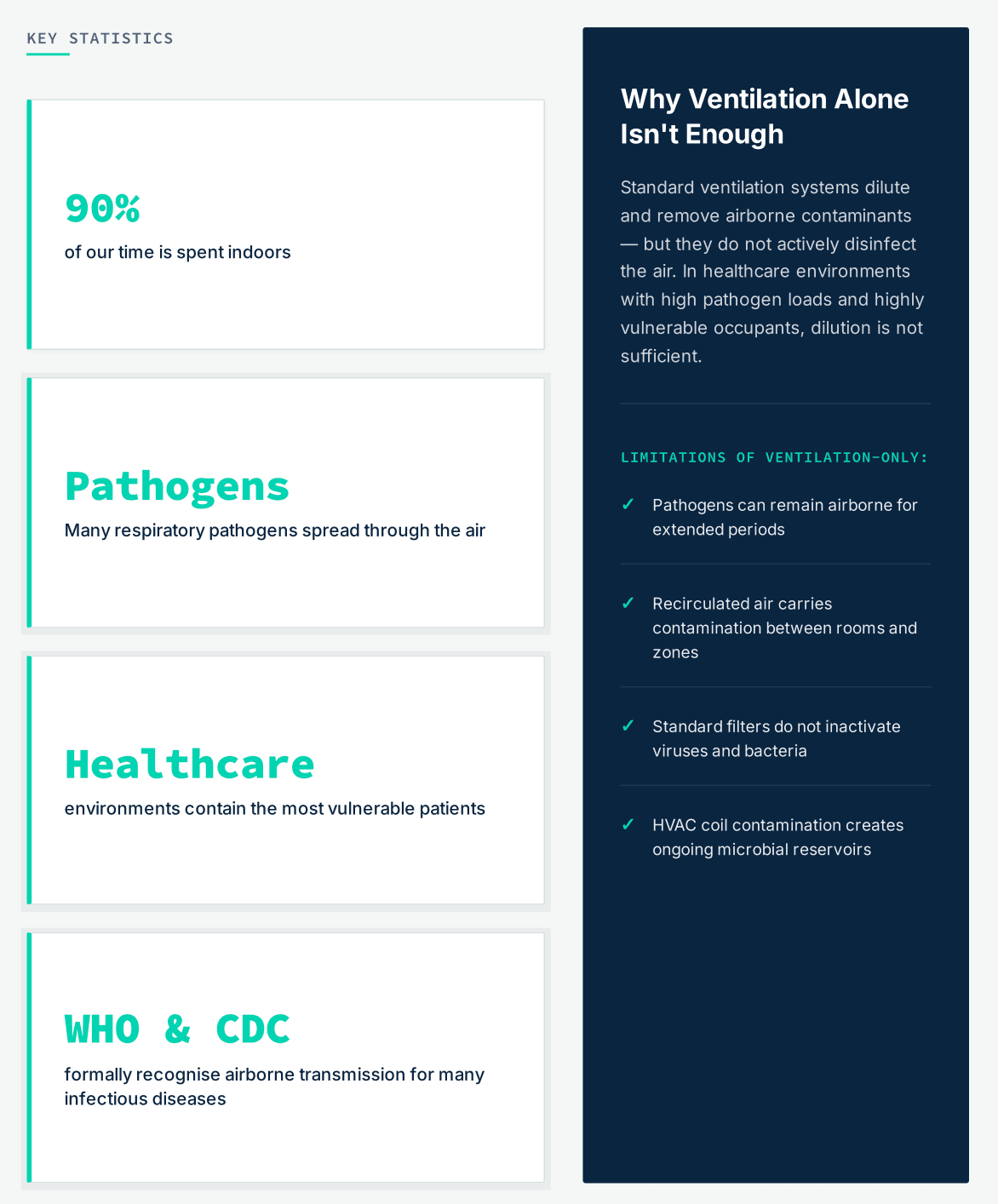
Airborne Transmission - Many pathogens - including respiratory viruses and bacteria - spread via the air
Staff Wellbeing - Frontline healthcare workers face disproportionate exposure to airborne pathogens
Building Performance - Ageing HVAC infrastructure increases contamination risk
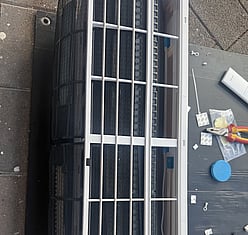
HVAC Hygiene - Contaminated coils and ductwork actively recirculate pathogens
Indoor Air Quality is becoming one of the next major frontiers in healthcare infrastructure.
Healthcare Applications
Hospitals - general wards, corridors, plant rooms
Operating Theatres - critically clean air environments
ICU - intensive care, high-risk patient populations
Aged Care - high vulnerable populations, communal living
Emergency Departments - high throughput, mixed patient acuity
Waiting Rooms - high occupancy, community transmission risk
Dental - aerosol-generating procedures, close contact
Radiology - controlled environments, staff protection
GP Clinics - primary care, community exposure
Laboratories - sterile environment requirements
Pharmacies - dispensing environments, patient interaction
Mental Health - long-stay, communal environments
Rehabilitation- extended care, mixed vulnerability
Protection Against Pathogens
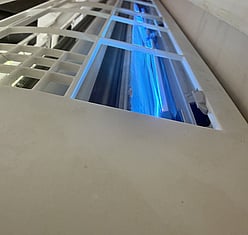
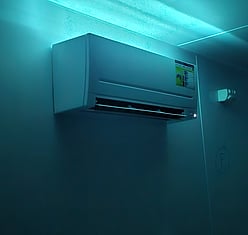
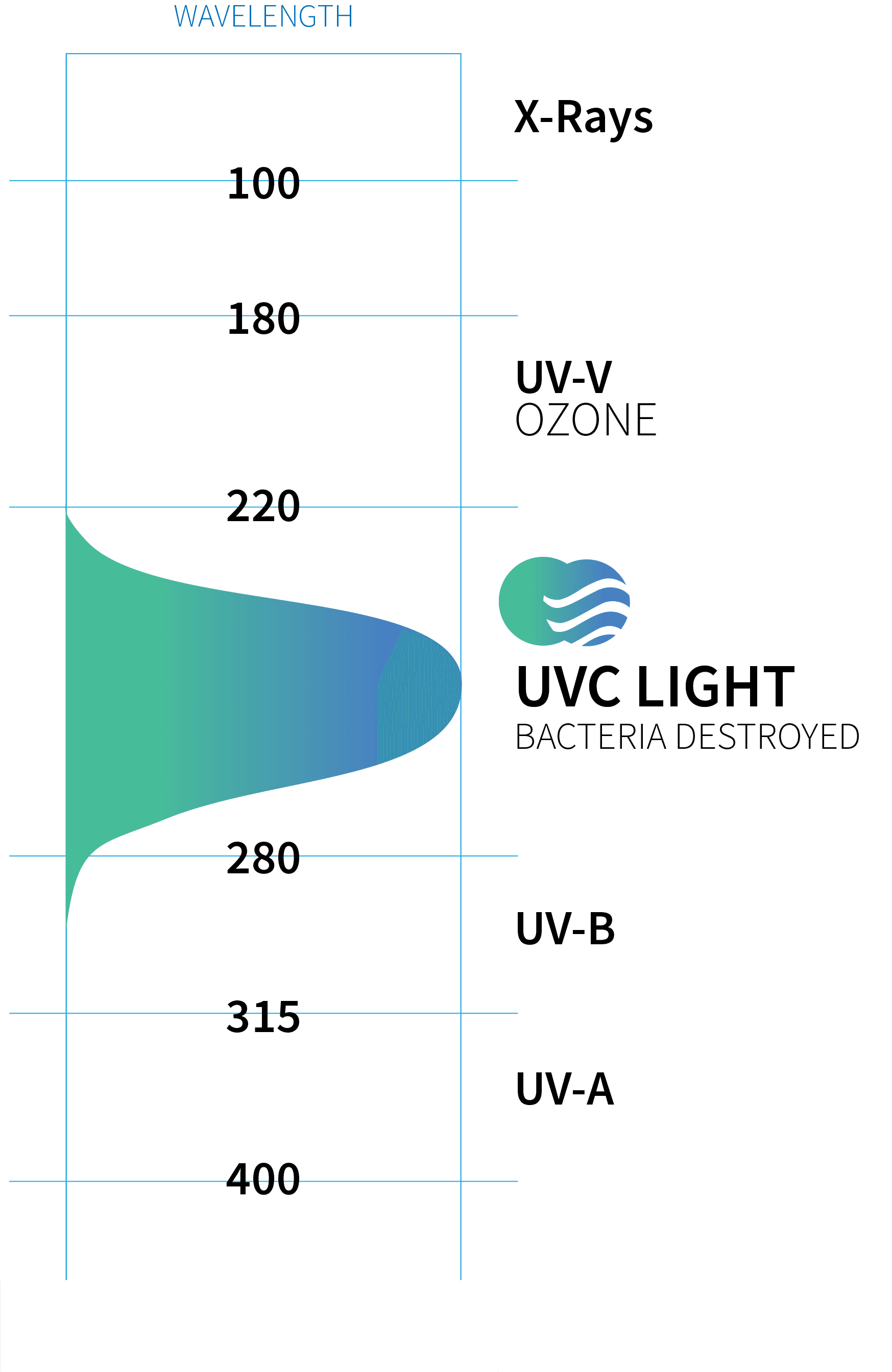
UVC light's ability to eliminate harmful micro-organisms makes it an effective tool in preventing the spread of infectious diseases in medical facilities such as hospitals, doctors' offices, and rest homes. UVC light’s ability to eliminate airborne pathogens, including bacteria, viruses, and mould spores, significantly reduces the risk of healthcare-associated infections, ensuring a safer environment for patients, staff, and visitors.
By continuously purifying the air, UVC light helps prevent the spread of infectious diseases, which is particularly important in settings where vulnerable populations reside or receive treatment. Additionally, maintaining clean air in these facilities supports better overall health outcomes and enhances the effectiveness of infection control protocols.
UVC light integration also reduces the need for chemical disinfectants, contributing to a more sustainable and environmentally friendly approach to maintaining hygiene standards in medical environments.
Proven Effectiveness
The efficacy of UVC light in destroying pathogens has been extensively studied and scientifically proven. Research has shown that UVC light can inactivate up to 99.9% of bacteria, viruses, and mould spores, making it a highly effective tool for infection control in medical facilities. Airtech has undertaken extensive research to ensure our products adhere to the required output and performance to guarantee successful purification. This wavelength is 254 nanometres across our product range.
Overseas - What Is Already Happening
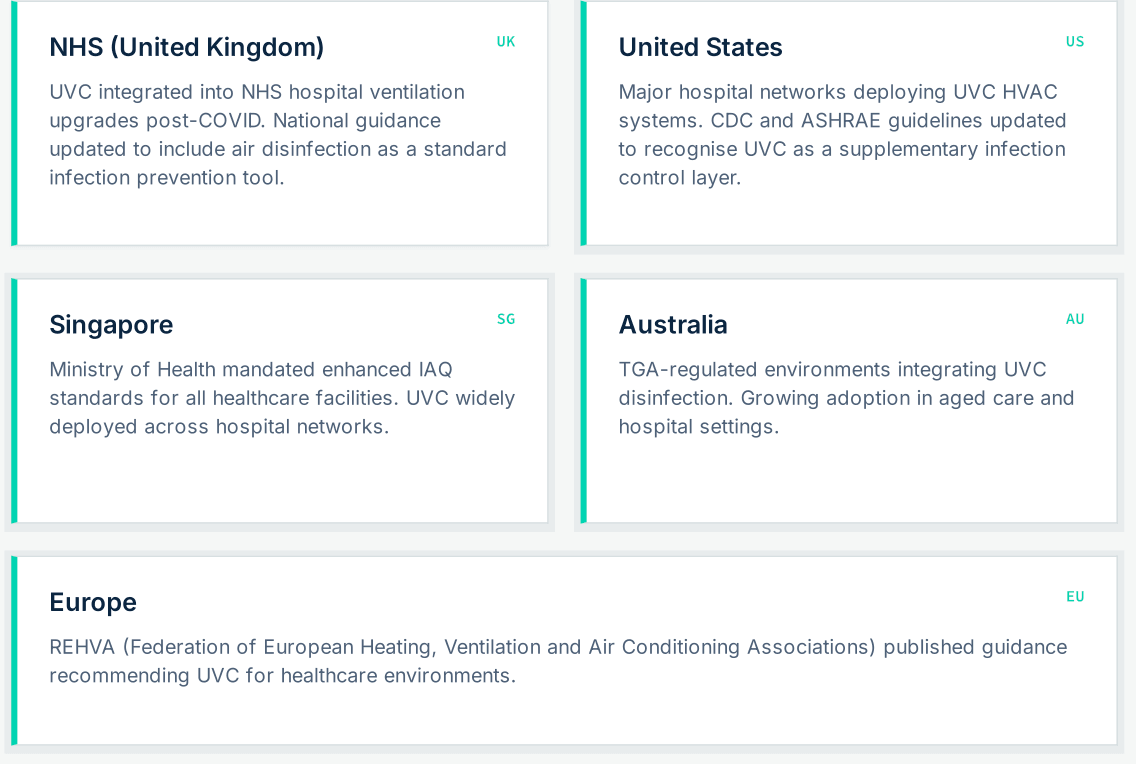
Indoor Air Quality is becoming a standard component of healthcare infrastructure planning, Major health systems in the UK, US, Singapore, and Europe have already integrated UVC and IAQ as core building services requirements. This is no longer emerging - it is mainstream in leading health systems.
New Zealand - Where We Are Now
New Zealand's healthcare sector has strong clinical and infrastructure standards - but the specific integration of IAQ and UVC technology into healthcare facility planning remains early-stage. Most exciting HVAC systems were not designed with active air disinfection in mind.
Return on Investment That Goes Beyond Clean Air
Installing UVC technology isn't just about improving indoor air quality—it's about reducing ongoing operating costs.
By keeping HVAC systems cleaner, reducing biofilm build-up, and helping minimise airborne contaminants, Air Technologies' solutions can deliver measurable value over time.
✔ Lower HVAC maintenance costs
✔ Improved system efficiency and performance
✔ Extended equipment lifespan
✔ Reduced downtime and cleaning requirements
✔ Healthier indoor environments that can help reduce staff absenteeism
Cleaner air. Smarter buildings. Long-term savings.
Improve HVAC Efficiency & Reduce Energy Costs
Cleaner HVAC systems can work more efficiently.
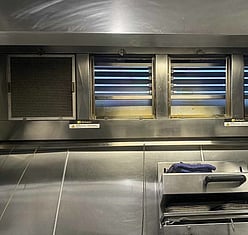
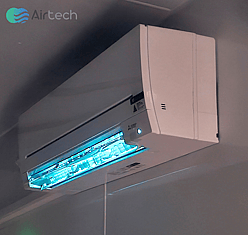
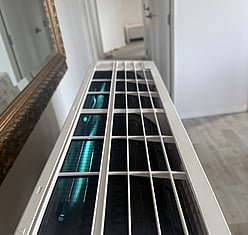
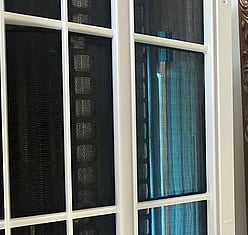
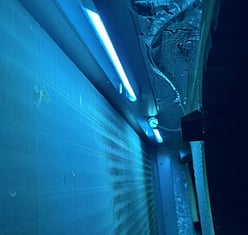
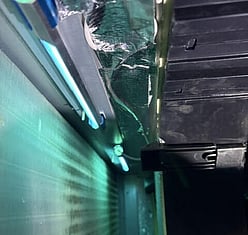
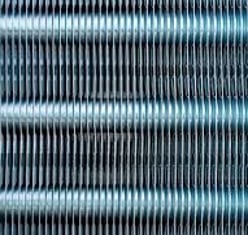
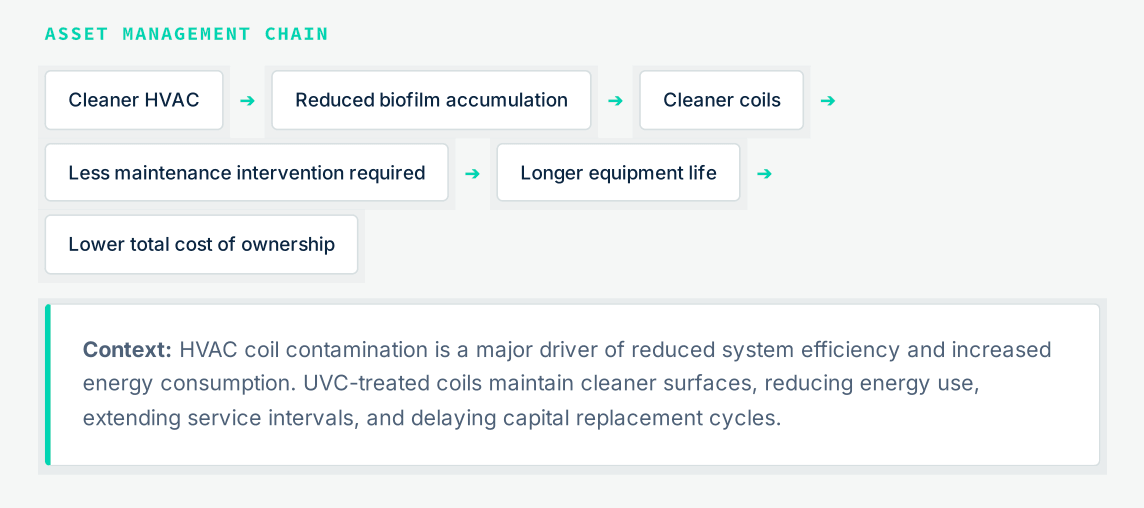
AirTech UVC systems help prevent the build-up of mould, bacteria and biofilm on HVAC coils and internal components, helping maintain clean heat-transfer surfaces and consistent airflow. By keeping your HVAC system cleaner, UVC can support more efficient operation, reduce the strain on equipment and help minimise unnecessary energy consumption over time.
For commercial buildings, this can contribute to lower operating costs, improved HVAC performance and a longer equipment lifespan — making UVC a smart addition to an energy-conscious building strategy.
Cleaner systems. Better performance. Smarter energy use.
Peace Of Mind
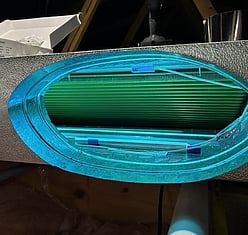
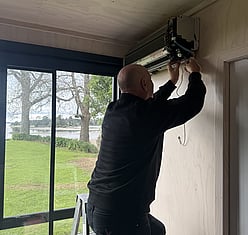
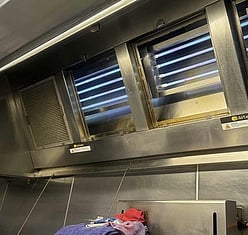
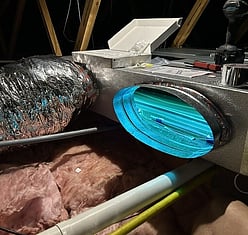
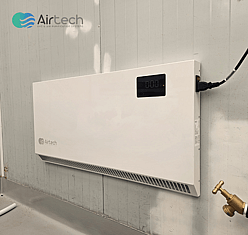
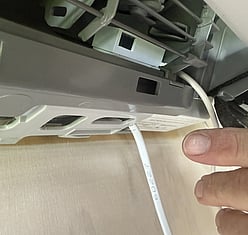
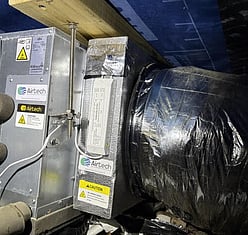
Airtechnologies' UVC air purification systems provide peace of mind by creating a cleaner, healthier, and safer indoor environment in medical facilities. Our systems are designed to be installed within your current HVAC systems, ensuring no disruption to daily operations.
This is the future of healthcare infrastructure- a future in which the air inside a building is treated with the same rigour as the water, the surfaces, and the surgical instruments.

Benefits for patients
Improved air quality leads to better health outcomes for patients
Benefits for staff
Reduced risk of exposure to pathogens creates a healthier workplace for staff.
Benefits for visitors
Improved air quality enhances the comfort and well-being of visitors.
Continuous operation
24/7 passive protection without behavioural change or operational disruption
Reduced odours
Cleaner coils and reduced biofilm mean fresher air delivered to occupied spaces
Reduced mould spores
UVC prevents microbial growth on HVAC coil surfaces, reducing mould spore circulation
Sustainable and Environmentally friendly
Unlike chemical disinfectants, UVC light does not produce harmful by-products or contribute to antimicrobial resistance. Its use in air purification systems reduces the need for harsh chemicals, creating a healthier and more environmentally friendly indoor environment for patients, staff, and visitors.
Cleaner Coils - UVC prevents biofilm accumulation on heat exchange surfaces, maintaining optimal thermal efficiency.
Lower Energy - Clean coils transfer heat more efficiently, reducing HVAC energy draw - typically 10-25% improvement in coil efficiency
Less Chemical Cleaning - Reduced frequency of chemical coil cleaning interventions, lowering chemical use, water consumption and contractor costs
Lower Lifecycle Costs - Extended service intervals, delayed capital replacement, and reduced maintenance spend across the HVAC asset lifestyle
Supports ESG - Lower carbon footprint, reduced chemical waste, improved occupant health outcomes - directly aligned with healthcare ESG frameworks
Tested. Verified.
Built For Real World Applications.
Independent Laboratory Testing
5-25%
Energy Savings
HVAC Energy reduction range
20-50%
Maintenance Savings
Direct system maintenance reduction
18-24 MO
Payback Period
Typical full investment return period