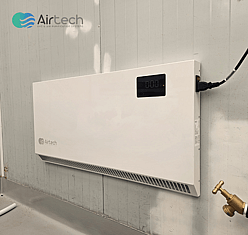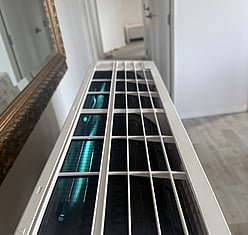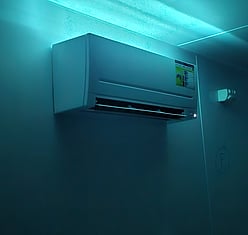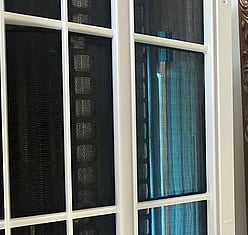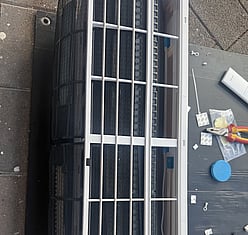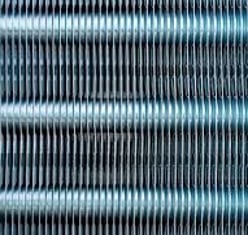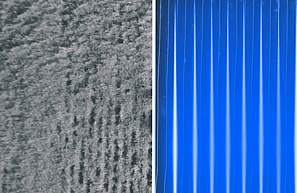
BEFORE & AFTER
Healthy Buildings Start With Cleaner Air
Advanced UVC Technology for Laboratory Air Quality & Contamination Control
Protecting Research. Protecting People. Protecting Laboratory Environments.
Laboratory Environments
The Challenge
Laboratories depend on carefully controlled environments to protect:
Personnel comfort
Research
Sample integrity
Equipment
Regulatory compliance
Laboratory cleanliness
HVAC reliability
While ventilation systems are essential to laboratory safety, HVAC components can become susceptible to:
Microbial growth
Biofilm
Bacteria
Dust
Fungi
Mould
Condensation
Odour-causing organisms
The Opportunity
Integrating UVC technology within HVAC systems provides continuous treatment of key components where biological contamination commonly develops.
Benefits Include:
Cleaner HVAC systems
Improved indoor environmental quality
Reduced biological buildup on coils
Lower maintenance requirements
Enhanced HVAC hygiene
CREATING HEALTHIER ENVIRONMENTS
The Solution: In-duct UVC Technology
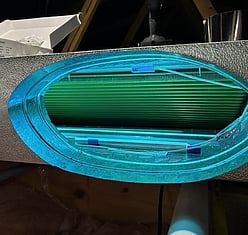
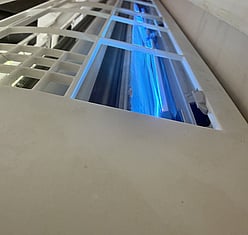
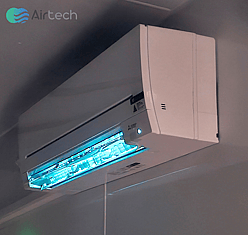
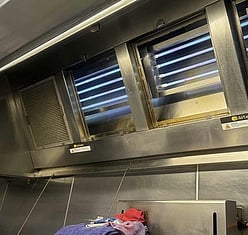
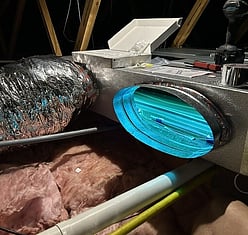
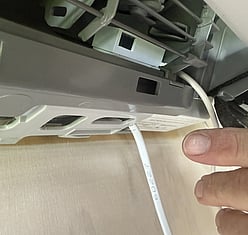
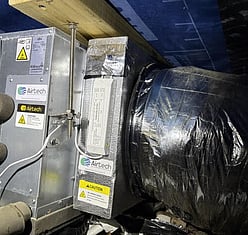
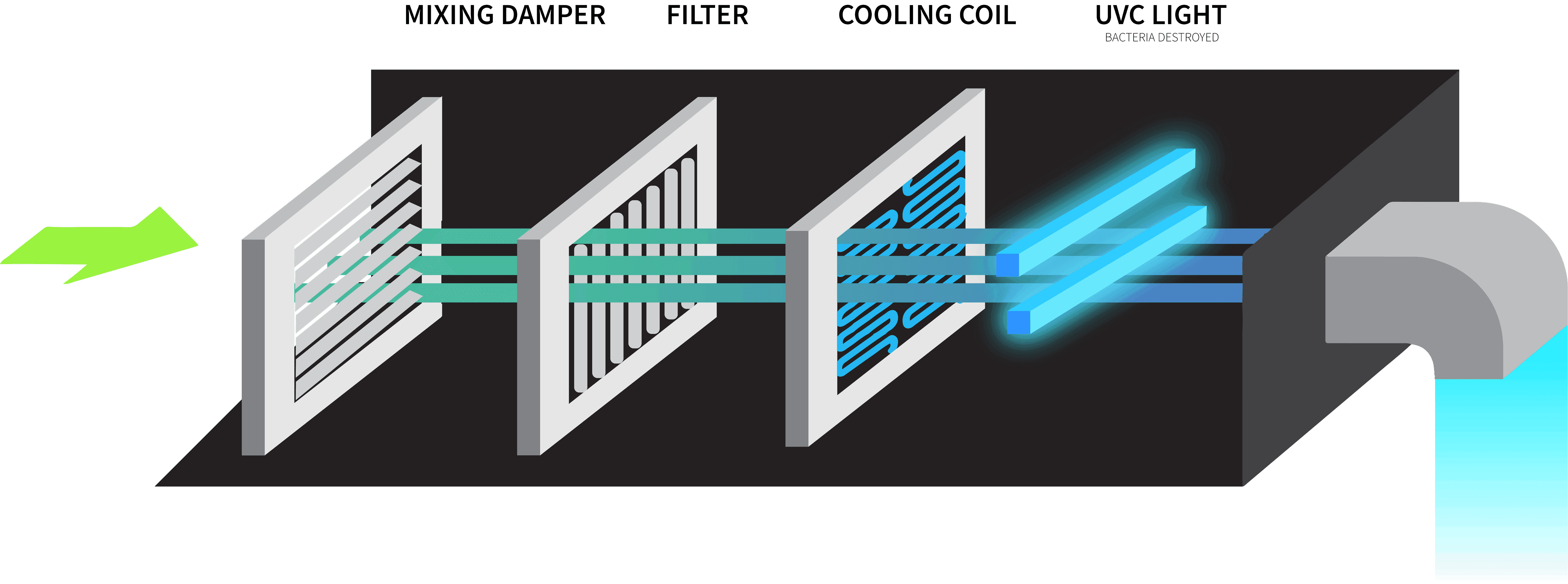
UVC light fixtures are strategically positioned within the ductwork or air handler of the HVAC system. This ensures maximum exposure of the circulating air to the germicidal effects of UVC light, effectively eliminating airborne pathogens.
How UVC Works
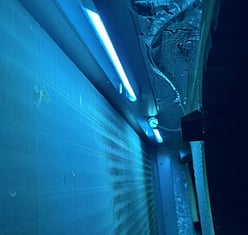
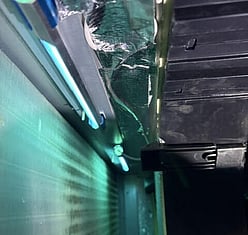
Continuously irradiating coils, drain pans, and air streams
Preventing microbial growth (mould, bacteria, viruses)
Keeping heat exchange surfaces clean and efficient
Improving air hygiene as air circulates through the system
Our Systems Install Directly Inside:
Air Handling Units (AHUs)
Heat recovery units
Mechanical ventilation systems
Ducted HVAC systems
Fan Coil Units
Laboratory air handling equipment
Designed For Laboratory Environments
Safety interlocks standard - door switches prevent UV exposure during maintenance access
UV-inhibiting access baffles on all units
Low electrical draw - typically 10-150W per system (230V supply)
Annual lamp inspection interval - replaceable without specialist tools
Suitable for integration alongside HEPA-filtered AHUs, negative pressure systems, and positive pressure controlled environments
PC2 Laboratories
UVC in a PC2 Context
UVC HVAC integration targets the biological hygiene of HVAC equipment - not containment of biological agents. It is one additional hygiene measure applicable within PC2 facilities:
Helps reduce microbial growth on coils and drain pans within the air handling system
Complements routine HVAC maintenance programmes
Does not effect or replace PC2 containment requirements
Installation does not modify pressure relationships or exhaust filtration arrangements
Positive & Negative Pressure Spaces
UVC Within Pressure-Controlled Systems
UVC supports the cleanliness of HVAC components servicing these environments while pressure relationships continue to be maintained through mechanical ventilation design.
Key Principals
UVC does not affect or modify air pressure relationships
Installation does not require modifications to ducting, damp-era, or pressure control systems
UVC treats components within the air handling unit - upstream of the protected space
Suitable for integration into both positive and negative pressure HVAC servicing systems
UVC targets HVAC equipment hygiene - the pressure system continues to function as designed.
Cleanrooms
The Cleanroom HVAC Challenge
Cleanrooms are supplied with conditioned air that has passed through the HVAC system before reaching HEPA filters and terminal filtration. Biological contamination within the air handling equipment upstream of the cleanroom supply can:
Generate biological particulate load upstream of HEPA filters
Contribute to HVAC odours affecting perceived air quality
Increase HVAC maintenance frequency
Affect the cleanliness of air handling cabinet surfaces
UVC For Cleanroom HVAC
UVC treats HVAC components ay the air handling unit level - before air reaches the cleanroom supply system:
Suppresses microbial growth on evaporator coils and drain pans
Reduces biological load on internal HVAC surfaces
Complements terminal HEPA filtration - each serves a different stage of the airstream
Does not affect cleanroom pressure relationships, air changes, or particle count systems
Note: UVC HVAC integration is not a cleanroom classification control. ISO cleanroom classification depends on particle count, HEPA filtration efficiency, and airflow design - all of which remain unaffected by UVC installation.
Improve HVAC Efficiency & Reduce Energy Costs
Cleaner HVAC systems can work more efficiently.
AirTech UVC systems help prevent the build-up of mould, bacteria and biofilm on HVAC coils and internal components, helping maintain clean heat-transfer surfaces and consistent airflow. By keeping your HVAC system cleaner, UVC can support more efficient operation, reduce the strain on equipment and help minimise unnecessary energy consumption over time.
For commercial buildings, this can contribute to lower operating costs, improved HVAC performance and a longer equipment lifespan — making UVC a smart addition to an energy-conscious building strategy.
Cleaner systems. Better performance. Smarter energy use.
Return on Investment That Goes Beyond Clean Air
Installing UVC technology isn't just about improving indoor air quality—it's about reducing ongoing operating costs.
By keeping HVAC systems cleaner, reducing biofilm build-up, and helping minimise airborne contaminants, Air Technologies' solutions can deliver measurable value over time.
✔ Lower HVAC maintenance costs
✔ Improved system efficiency and performance
✔ Extended equipment lifespan
✔ Reduced downtime and cleaning requirements
✔ Healthier indoor environments that can help reduce staff absenteeism
Cleaner air. Smarter buildings. Long-term savings.
**Positive ROI typically within 18months to 2 years in medium to large commercial buildings
5-25%
Energy Savings
HVAC Energy reduction range
20-50%
Maintenance Savings
Direct system maintenance reduction
18-24 MO
Payback Period
Typical full investment return period
99.9%+
Pathogen Elimination
24/7
Continuous Protection
Sustainable and Environmentally Friendly
Unlike chemical disinfectants, UVC light does not produce harmful by-products or contribute to antimicrobial resistance. Its use in air purification systems reduces the need for harsh chemicals, creating a healthier and more environmentally friendly indoor environment for patients, staff, and visitors.
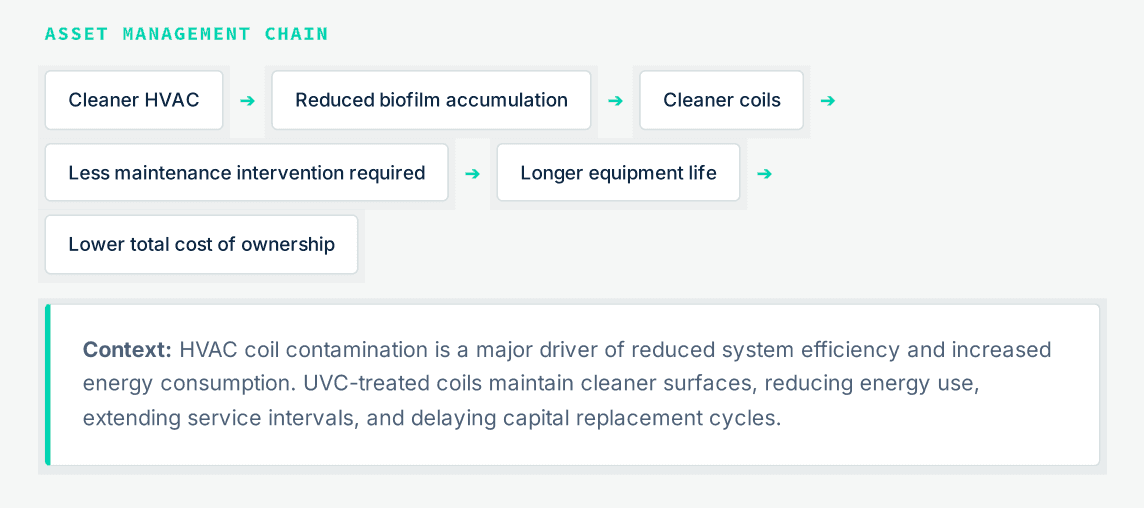
Cleaner Coils - UVC prevents biofilm accumulation on heat exchange surfaces, maintaining optimal thermal efficiency.
Lower Energy - Clean coils transfer heat more efficiently, reducing HVAC energy draw - typically 10-25% improvement in coil efficiency
Less Chemical Cleaning - Reduced frequency of chemical coil cleaning interventions, lowering chemical use, water consumption and contractor costs
Lower Lifestyle Costs - Extended service intervals, delayed capital replacement, and reduced maintenance spend across the HVAC asset lifestyle
Suitable Laboratory Environments
Research Institutes
Government and private research organisations with controlled laboratory environments requiring ongoing HVAC hygiene management
Universities
Teaching and research laboratories across university campuses - from under graduate research facilities
Hospital Laboratories
Clinical pathology, microbiology and diagnostic laboratories within hospital environments
Biotechnology
Biotechnology research and production facilities with controlled HVAC requirements
Pharmaceutical Manufacturing
GMP pharmaceutical environments requiring documented HVAC hygiene management
Veterinary Laboratories
Veterinary diagnostic and research facilities handling biological samples from animals
Food Testing
Food safety testing laboratories requiring controlled environmental conditions and HVAC hygiene
Water Testing
Environmental and water quality testing in laboratories
Agricultural Research
Agricultural science research facilities including plant and animal research environments
Environmental Science
Environmental monitoring and research laboratories
Clean Manufacturing
Controlled manufacturing environments where HVAC cleanliness supports product integrity
Product Range
Engineered for HVAC integration across residential, commercial, and industrial applications
Selection Guidance
Product selection is based on:
Coil face area (meters squared)
Supply air velocity at coil face (m/s)
Target UV dose for target organism class
Available installation depth in AHU or heat pump unit
Access requirements for lamp replacement and inspection
UV Dose Guidance
Effective UVGI depends on UV dose - the product of irradiance and exposure time:
Bacteria and mould spores typically require lower doses (effective for surface decontamination)
Airstream disinfection of viruses: requires higher air change irradiance - system design specific
Coil surface sterilisation: continuous low-dose exposure accumulates over contact time
Documentation Available
For each model:
Technical data sheet with lamp output, power, and dimensional drawings
IES test report references (where applicable)
Installation and wiring guide
Commissioning checklist
Why Choose Airtech?
Proven results
Our UVC and air purification systems have been proven to effectively reduce airborne contaminants and improve indoor air quality in a wide range of settings.
Exceptional value
Investing in Airtechnologies' UVC and air purification systems is an investment in the health and well-being of your employees and customers.
Unwavering commitment
Airtechnologies is committed to providing our customers with cutting-edge UVC and air purification solutions backed by exceptional customer service.